Private Property Towing Laws in Washington State: Driver Guide
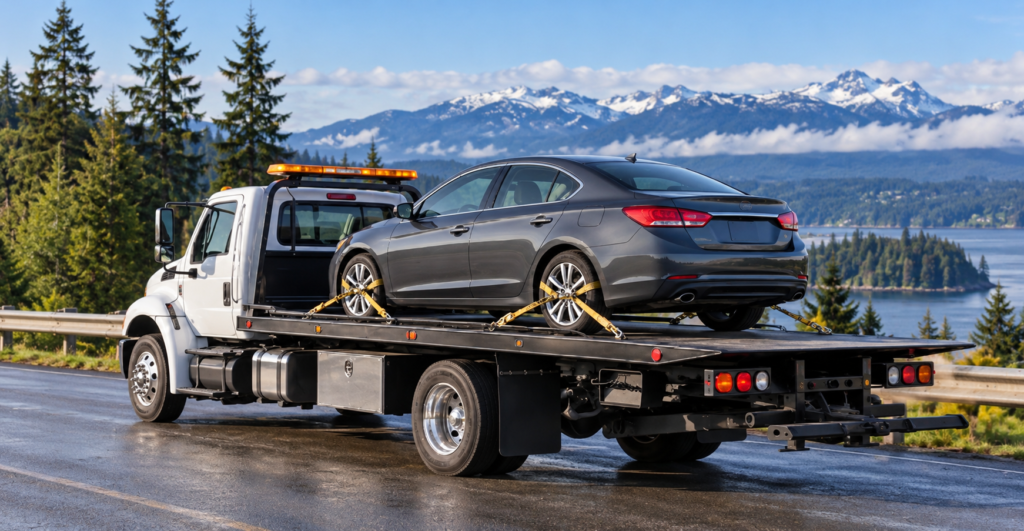
Washington Towing Rules Private Property Towing Laws in Washington State: Driver Guide Understand Washington private property towing rules, required parking notices, how to recover an impounded vehicle, and the legal process for challenging an improper tow. Call (360) 470-8388 Request Assistance Missing Vehicle If your vehicle disappears from a private parking area, contact local law enforcement through the non-emergency number and ask whether an impound has been reported. (360) 470-8388 A vehicle missing from an Ocean Shores parking lot, an apartment complex, or a business in Grays Harbor County can create immediate stress and unexpected costs. Washington private property towing laws establish who may authorize an impound, when parking signs are required, and how drivers can recover vehicles or challenge improper charges. The rules are primarily found in chapter 46.55 RCW. A private impound generally requires signed authorization from the property owner or an authorized agent at the time and place of the tow. Washington also distinguishes residential from nonresidential property when applying parking-sign rules. This guide explains those differences, vehicle redemption, invoices, and the statutory hearing process. By the dispatch team at Beck’s Towing Road and Beach Recovery. Updated: October 2026. General information, not legal advice. Never confront or interfere with a tow operator. Ask for the storage location and an itemized invoice, recover your vehicle as promptly as practical, and preserve your right to request an impound hearing under Washington law. Know Your Rights Core Washington Towing Rules Chapter 46.55 RCW governs Washington vehicle impounds. For private property towing, the rules address authorization, signage, vehicle storage, owner notices, payment, and the right to contest an impound. Signs Depend on Property Type For nonresidential private property, signs are generally required for towing an unauthorized vehicle parked less than 24 hours. Residential property has an exception. Owner Notification Washington law requires the tow operator to notify registered and legal owners by first-class mail within 24 hours of an unauthorized impound, using available ownership information. Vehicle Release If you return during a tow, ask whether the vehicle can be released and what charges apply. Do not assume a mandatory drop-fee rule applies in Washington. Signed Authorization The property owner or authorized agent must sign an impound authorization at the time and place of the tow. The tow operator cannot sign as the owner’s agent. Posted Tow Rates Review the tow operator’s posted rates and itemized charges. Washington impound hearings can address whether fees comply with applicable posted or contracted rates. Payment Options Washington recognizes commercially reasonable payment, including cash, major bank credit cards, and qualifying checks subject to statutory verification rules. Under RCW 46.55.090, vehicle owners or their agents may request personal belongings during normal business hours with sufficient identification. Rules and deadlines apply to stored belongings. Visual Warnings Washington Parking Lot Sign Requirements RCW 46.55.070 generally requires conspicuous signs for towing an unauthorized vehicle from nonresidential private property or a public parking facility within 24 hours. The same posting requirement does not apply to residential property. Requirement Legal Standard Illegal Practice Location Near each entrance and conspicuously on nonresidential property Signs obscured from drivers entering or parking Size and Font Sign size, lettering and placement must meet applicable state rules Unreadable or poorly placed warning information Content States when unauthorized vehicles may be impounded No clear indication of the times impoundment may occur Tow Company Info Provides tow firm name, telephone number and redemption address Missing or unusable tow firm contact information If a nonresidential lot appears improperly posted, photograph each entrance and the visible signs. Also record the time, location, and circumstances. These details may help support a request for an impound hearing. Intercepting the Tow What to Do If You Return During a Tow Finding a tow truck preparing to move your vehicle can be stressful. Washington law should not be confused with other states’ automatic release or drop-fee provisions. Focus on safety and request clear information. Ask About Release. Calmly ask whether the tow can be stopped and what release conditions apply. Confirm Any Charges. Request an explanation of any proposed on-scene charge rather than assuming a fixed drop fee. Request Documentation. Ask for a receipt showing any payment and the towing company’s contact information. Park Legally. If the vehicle is released, move it to an authorized parking location. Never enter or remain inside a vehicle being prepared for towing to force a release. Keep a safe distance and ask the operator for the tow company, storage address, and next steps. Scenario Operator Requirement Driver Action Truck is preparing to attach vehicle Ask operator about release; no universal free-release rule is assumed Remain clear of equipment and request an explanation Vehicle is attached but remains on site Release terms and charges must be verified under applicable rules Ask for charges in writing and avoid interfering Tow truck has departed with the vehicle Contact the registered tow operator for redemption information Confirm storage location, hours, identification, and payment Washington State and Local Rules State Rules and Local Considerations Washington’s statewide impound law provides the main framework. Drivers in Ocean Shores, Hoquiam, Aberdeen, and other Grays Harbor communities should also check applicable local parking rules and determine whether the tow was a private impound or a law-enforcement-directed impound. Rule 01 Tow Rate Review Tow and storage rates should be posted by the registered operator. A court may review whether the amounts charged comply with applicable rates. Rule 02 Storage Location Washington generally requires an impounded vehicle to be taken to the nearest inspected storage location listed with the state. Rule 03 Authorization Records A signed impound authorization from the property owner or authorized agent is required at the time and place of a private impound. Rule 04 Impound Hearing A vehicle owner may challenge an impound or charges through the district or municipal court procedure described in RCW 46.55.120. Check the posted lot restrictions and the city’s parking ordinances, but use Washington’s statutory impound hearing procedure for disputes about private towing and charges. Keep all invoices and notices.
Hydroplane & Ditch Recovery: Grays Harbor Storm Driving Tips
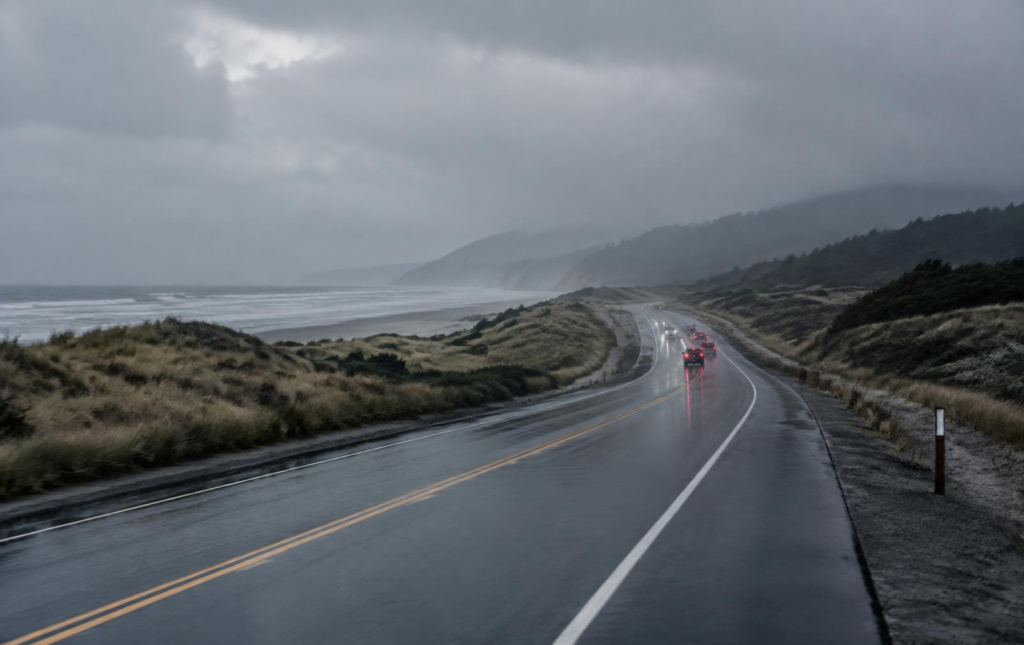
Why coastal Washington roads hydroplane, what to do when you lose grip, and how a vehicle gets pulled from a ditch on SR 109 or US 101 without more damage.
RV Towing Ocean Shores WA: Flatbed and Heavy Duty Recovery | Beck’s Towing

Motorhome stuck or broken down? Learn how RV and heavy-duty towing works in Grays Harbor County and how to get your rig moving safely.
Expert Guide to Beach Recovery Services in Ocean Shores, WA

Stuck in the sand as the tide rises? Learn to read Grays Harbor tide tables, act fast, and use emergency winch-out service to recover your vehicle.
Stuck in the Sand? The Ultimate Guide to Beach Recovery in Ocean Shores, WA
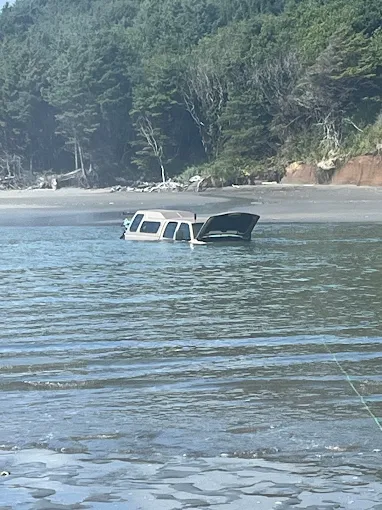
Stuck in the sand at Ocean Shores? Learn what to do first, how to survive an incoming tide, and when to call Beck’s 24/7 beach recovery: (360) 470-8388.